
what is laminated glass windows
Understanding Level Supplier Relationships in Supply Chain Management In today's dynamic business environment, the concept of level suppliers has gained significant traction within supply chain management. Level suppliers refer to the different tiers of suppliers that contribute to the production and delivery of a product or service. Understanding the structure and dynamics of these relationships is crucial for companies seeking to optimize their supply chains and improve overall operational efficiency. The Importance of Level Suppliers At the core of supply chain dynamics lies a network of suppliers that can be categorized into various levels. Level 1 suppliers are typically direct suppliers, providing raw materials or components directly to manufacturers. Level 2 suppliers, on the other hand, supply products or services to Level 1 suppliers. This hierarchy continues with Level 3 suppliers and beyond, forming a multi-tier supply chain. The significance of understanding these levels cannot be overstated. Each tier plays a vital role in delivering the final product to consumers. By analyzing the entire supplier hierarchy, organizations can identify potential risks, manage costs, and maintain quality control throughout the supply chain. This holistic view allows businesses to anticipate disruptions and implement strategic measures to mitigate them, ensuring greater resilience in the face of uncertainty. Building Strong Relationships Establishing solid relationships with level suppliers is an essential strategy for sustainable growth. Communication, collaboration, and trust are paramount in creating a robust supplier network . Companies must engage with their suppliers regularly to understand their capabilities, challenges, and contributions to the overall supply chain. Moreover, collaboration with Level 2 and Level 3 suppliers can foster innovation and efficiency. For instance, manufacturers can work closely with their suppliers to co-develop new technologies or materials that can enhance product quality or reduce costs. By involving suppliers in the product development process, businesses can leverage the expertise of their partners while building a sense of loyalty and commitment. level supplier Risk Management and Supply Chain Resilience The interconnectedness of level suppliers introduces multiple layers of risk within the supply chain. Natural disasters, geopolitical tensions, economic fluctuations, and other unforeseen events can disrupt operations at various levels. As such, companies must adopt a proactive approach to risk management. Diversifying the supplier base is one effective strategy to mitigate risks. By engaging multiple suppliers at different levels, businesses can ensure a steady supply of materials and components, even if one supplier faces challenges. Additionally, implementing technology solutions like supply chain visibility tools can help organizations monitor and assess the health of their supply chain, enabling them to react swiftly to potential disruptions. Cost Efficiency and Sustainability Level supplier management also presents opportunities for cost efficiency. By analyzing the performance and capabilities of suppliers across different levels, businesses can negotiate better terms, reduce lead times, and optimize inventory management. This approach not only lowers costs but also enhances the overall agility of the supply chain. Moreover, sustainability is becoming an increasingly important consideration in supplier relationships. Companies are now looking to partner with suppliers who adhere to sustainable practices, such as responsible sourcing and eco-friendly manufacturing processes. Incorporating sustainability into supplier selection criteria not only benefits the environment but also improves brand reputation and appeal to increasingly conscious consumers. Conclusion In conclusion, the concept of level suppliers is integral to effective supply chain management. By understanding the layers of supplier relationships, building strong partnerships, managing risks, and pursuing cost efficiencies and sustainability, organizations can enhance their supply chain performance. Companies that prioritize these aspects will be better positioned to navigate the complexities of modern supply chains, ensuring long-term success in an ever-evolving marketplace. Embracing level supplier strategies is not just a tactical choice; it is a fundamental element of a resilient and forward-thinking business approach.
about
what is laminated glass windows
The Importance of Large Granite Surface Plates in Precision Measurement In the realm of precision measurement and quality control, large granite surface plates play a crucial role. These flat, stable surfaces provide the foundation upon which accurate measurements are taken, ensuring that the dimensions and geometries of manufactured parts meet necessary specifications. In industries such as aerospace, automotive, and mechanical engineering, the importance of precision cannot be overstated, making granite surface plates indispensable tools. Granite is a natural stone known for its durability and minimal thermal expansion. These properties are essential for maintaining the accuracy of measurements. Unlike other materials, granite does not flex or warp under heavy loads, which is vital when dealing with large components or assemblies. The inherent stability of granite ensures that the surface plate retains its flatness over time, thus providing a consistent reference point for measurement. One of the primary advantages of using large granite surface plates is their ability to withstand the rigors of shop environments . They are highly resistant to scratches, thermal changes, and chemical spills, making them ideal for use in production areas where heavy machinery and various substances are present. This robustness translates into lower maintenance costs and longer service life compared to other materials that might require frequent replacement or repairs. When it comes to precision measurement, the flatness of a surface plate is paramount. Large granite surface plates are manufactured to stringent tolerances, often measured in microns. This level of precision ensures that even the smallest deviations in part dimensions can be accurately detected. This is particularly important in high-stakes industries where even the slightest error can lead to significant operational failures or safety issues. The accuracy provided by granite surface plates contributes to enhanced quality control processes, resulting in fewer defects and improved product reliability. large granite surface plate Additionally, large granite surface plates facilitate the use of various measuring tools and instruments. Calipers, micrometers, height gages, and coordinate measuring machines (CMMs) all benefit from the steady and flat nature of the granite surface. By providing a consistent base, these tools can yield precise measurements that conform to the necessary engineering standards. This compatibility with a wide range of measurement devices makes granite surface plates versatile and highly valuable in any measurement-intensive environment. The size of granite surface plates also adds to their utility. Large plates are capable of accommodating sizeable and complex components, allowing for comprehensive inspection and measurement operations. This capability is particularly beneficial in environments where large assemblies need to be measured or aligned. The expansive surface area of large granite plates minimizes the need for multiple setups or repositioning of parts, which can introduce errors. Instead, operators can perform measurements in one go, thereby increasing efficiency and reducing the potential for mistakes. Moreover, large granite surface plates are not just limited to manufacturing contexts; they are also vital in research and development. Laboratories conducting experiments often require precise measurements to validate hypotheses or test new materials. In such cases, granite surface plates serve as stable platforms for conducting various scientific investigations where accuracy is crucial. In conclusion, large granite surface plates are foundational tools in the world of precision measurement. Their properties of flatness, durability, and resistance to environmental factors make them ideal for a variety of industrial applications. By providing a stable and accurate reference point, granite surface plates help ensure that manufactured components meet exacting standards, enhancing quality control processes and minimizing errors. Whether in manufacturing or research environments, their enduring utility makes them an essential asset, promoting precision and reliability in an ever-evolving technological landscape. As industries continue to demand higher accuracy and quality, the role of granite surface plates will undoubtedly remain significant in the pursuit of excellence.
-

High quality industrial productsagement

High quality industrial products
View Details -

Meet the diverse needs of customers

Meet the diverse needs of customers
View Details -

Strict quality control

Strict quality control
View Details -

Top raw materials

Top raw materials
View Details -

Trusted supplier

Trusted supplier
View Details
Our application

news and information
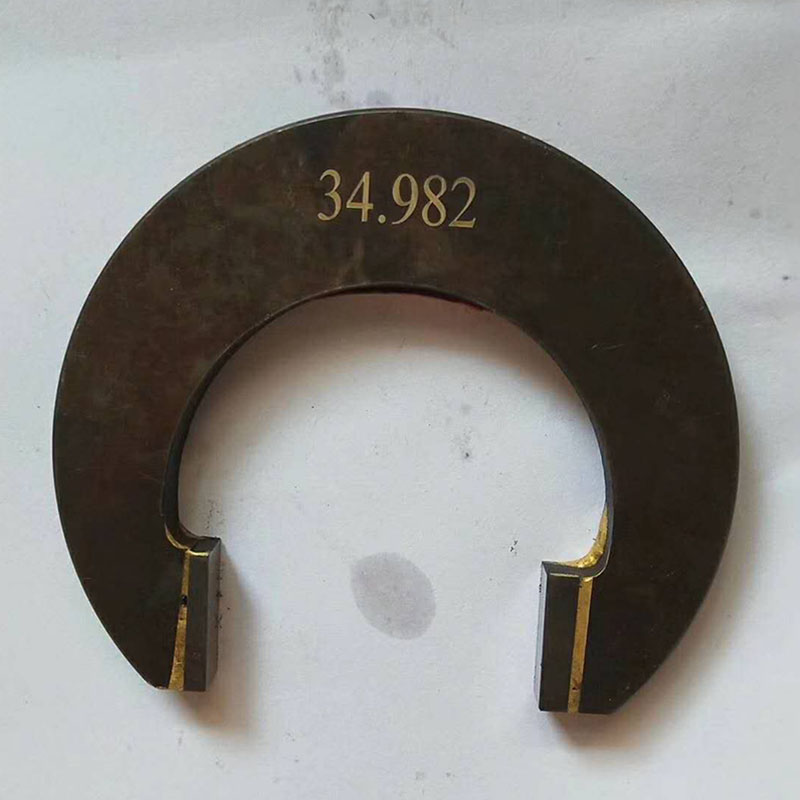
Versatile Adjustable Thread Ring Gauge for Precision Measurement and Quality Control in Manufacturin
Understanding Adjustable Thread Ring Gauges In the world of precision engineering and manufacturing,
Water Cut-Off Valve for Efficient Flow Control and Leak Prevention in Plumbing Systems
Understanding Water Cut-Off Valves A Crucial Component in Modern Water Management Water cut-off valv
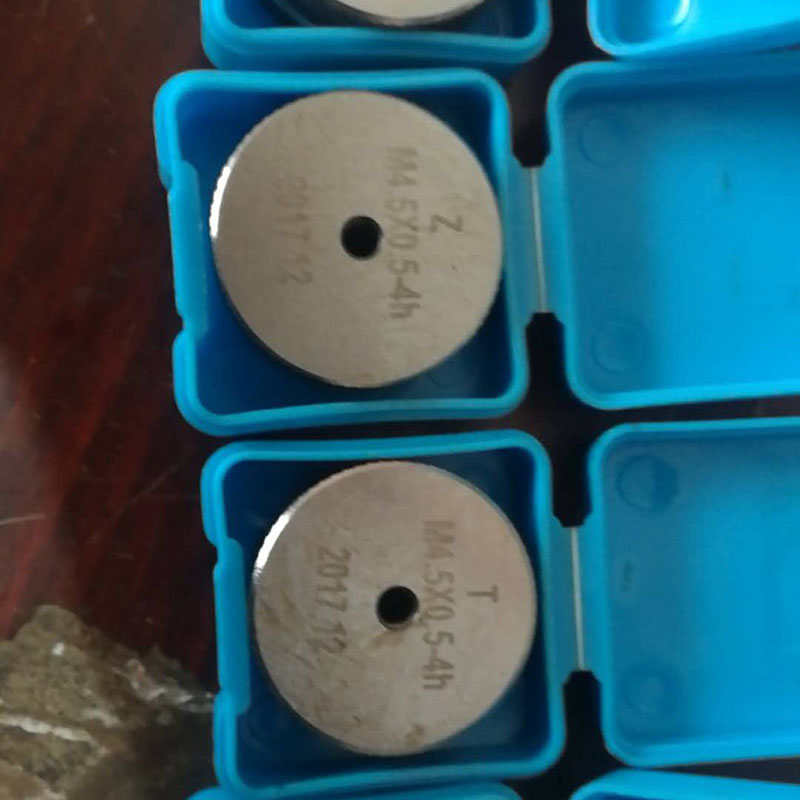
Vòng vít đo
Đồ đo độ dày của vòng và vít Công cụ thiết yếu trong ngành công nghiệp Trong ngành công nghiệp hiện
 English